video-performance/ video-installation
Taking as its point of departure research from the United Nations Human Rights Commission’s reports on violent deportations of Roma from the European Union, my project, Naked Life (2004-16) addresses the fate of Balkan, German, Scandinavian, Scottish, Irish and British Roma, Sinti, Gypsy and Traveller populations. In this framework, I produced a number of multimedia installations, video-installations, video performances, series of live performances, events and a TV documentary.
Naked Life deals with issues of bare life, social and political exclusion, deportation, racism, bio-politics, xenophobia and diverse cultural identities, asking: how is it possible that in contemporary Europe, certain ethnic groups are constantly exposed and stripped of their political, social, and human rights? I expose colonial wounds that come along with opening a platform for discussion with local communities and activists, sharing feelings of sorrow, and processes of initiation and healing. This project considers important questions around advocacy, politics and provocation in performative practice, exploring the ethics of movement and migration through a consideration of experiences within Roma populations Europe-wide.
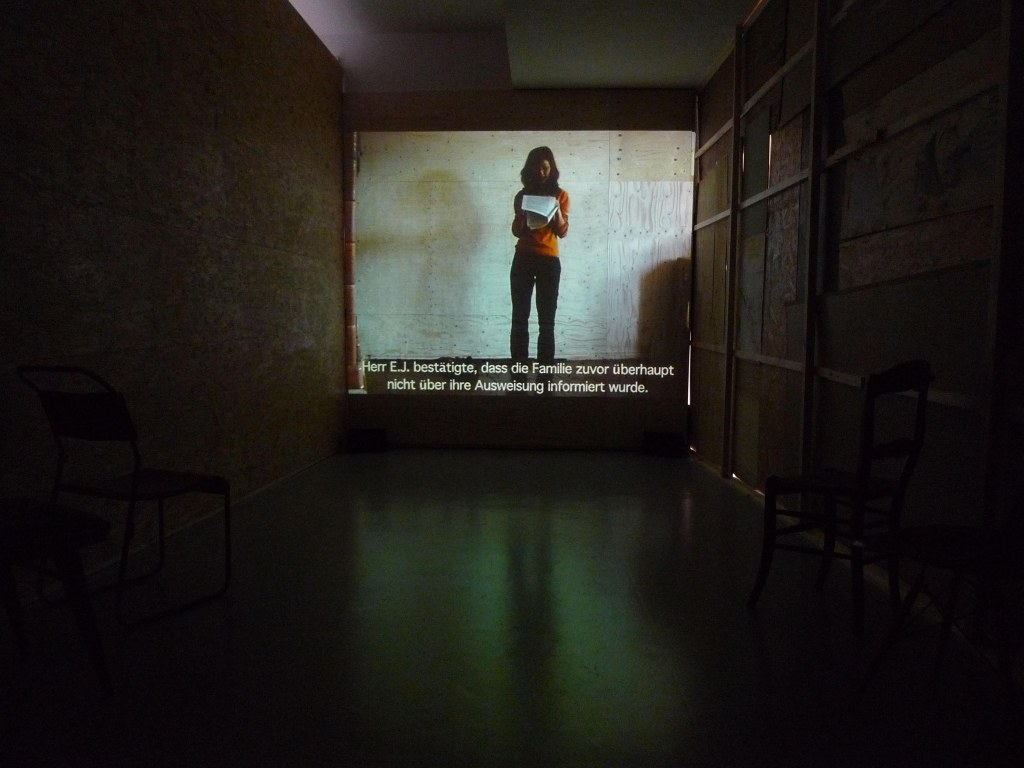
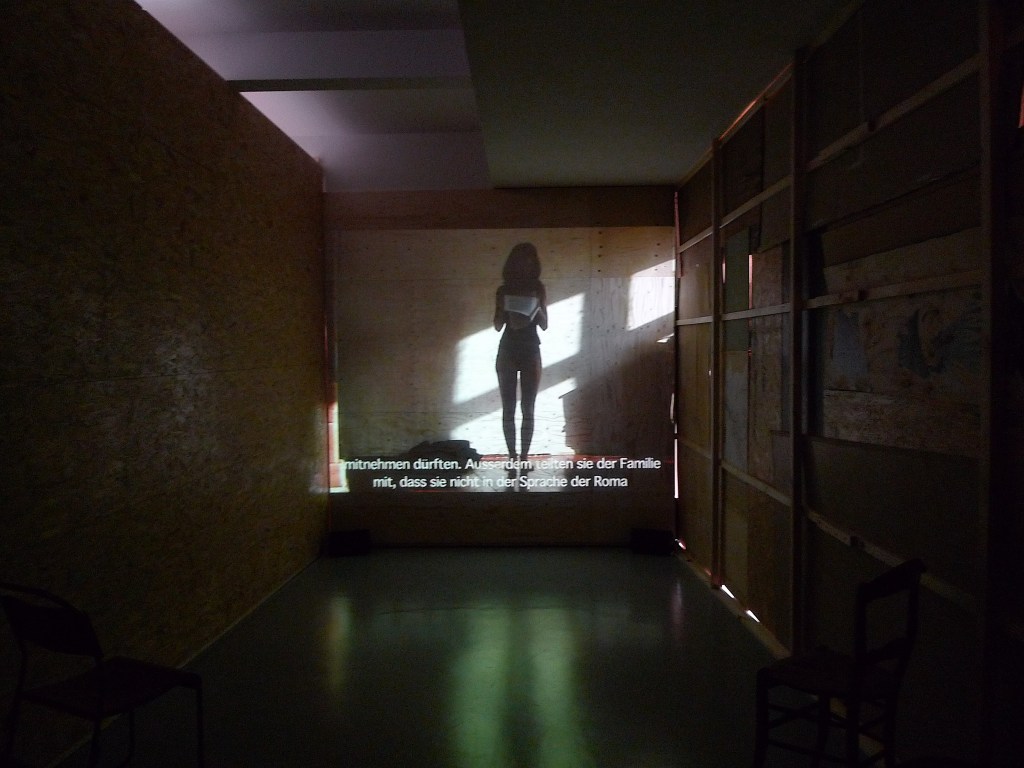
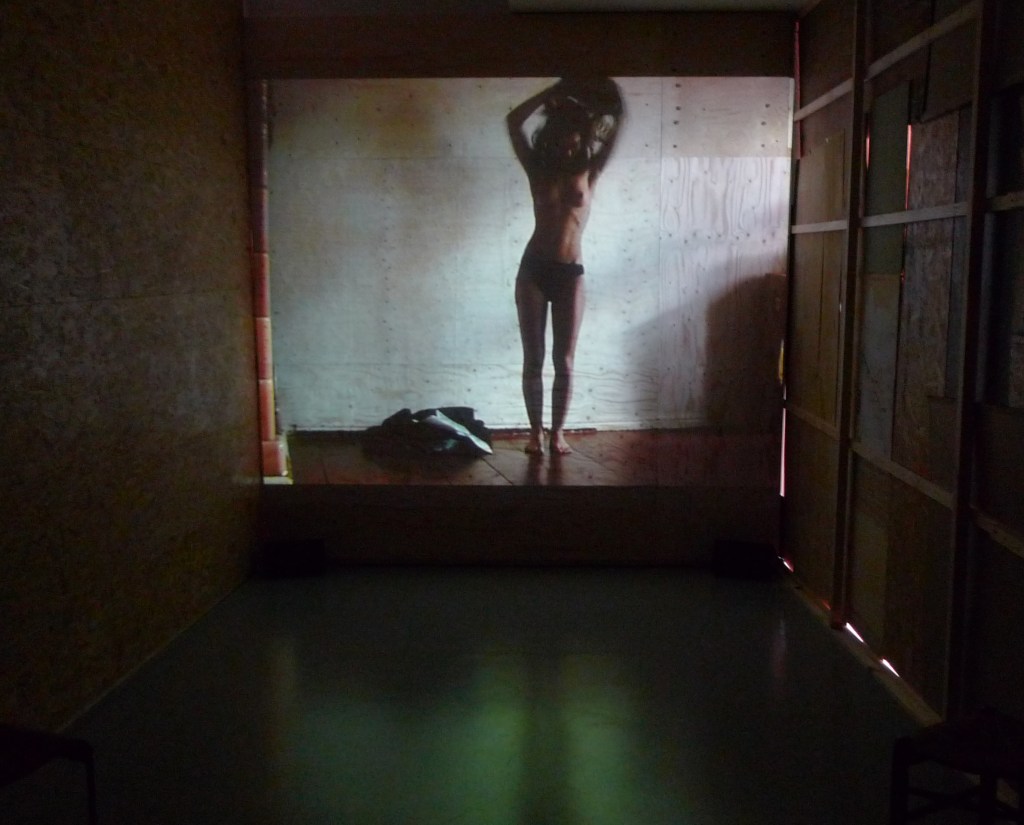
In early 2004, I came across the document entitled Written Comments of the European Roma Rights Centre Concerning Germany for Consideration by the United Nations Human Rights Committee at its 80th Session (2003-04), that contained highly disturbing information with regard to the discrimination of Roma families based in Germany, especially the fate of those from the section on deportations (to Kosovo, Serbia, Montenegro and Romania). I should mention that I am gadja, who attended school together with Roma and non-Roma kids, and that I came to Germany from Belgrade, just two years earlier, on a ‘family reunification visa’ based on a marriage that was arranged in the frame of my Looking for a Husband with EU Passport (2000-05) project. At the time, I was based in Berlin, while being registered in another German state. My art practice has since 1996 engaged with agency, political and feminist concerns. In order to process this emotionally painful content, I decided to try to make an artwork out of it, in Decolonial terms, by exposing colonial wounds. In my home studio, I used an empty wall as a background, turned on a video camera and read seven testimonies from the report’s section on deportation. Each testimony was more disturbing than the previous one. While reading, after each story, I placed the report on the floor and stripped off a layer of my own clothing from my body, remaining naked in the end and symbolically vulnerable as bare life. The structure of this 24-minute video-performance, recorded with a static camera in one take, was simple: a reading session, then a stripping session, then a reading session, until I finally took off my reading glasses and a golden ring (from my late mother), and remained standing, exposed and vulnerable, in compassion, crying.
(Ostojić, Tanja: “Alliances and Solidarities: On the Evolution and Reception of my Naked Life Performance Series (2004-16)”, RomaMoMA Blog, The Digital Roma Museum, ERIAC, European Roma Institute for Arts and Culture, Berlin, Germany, 2021.)
.
 TANJA OSTOJIĆ