performance / video / video installation
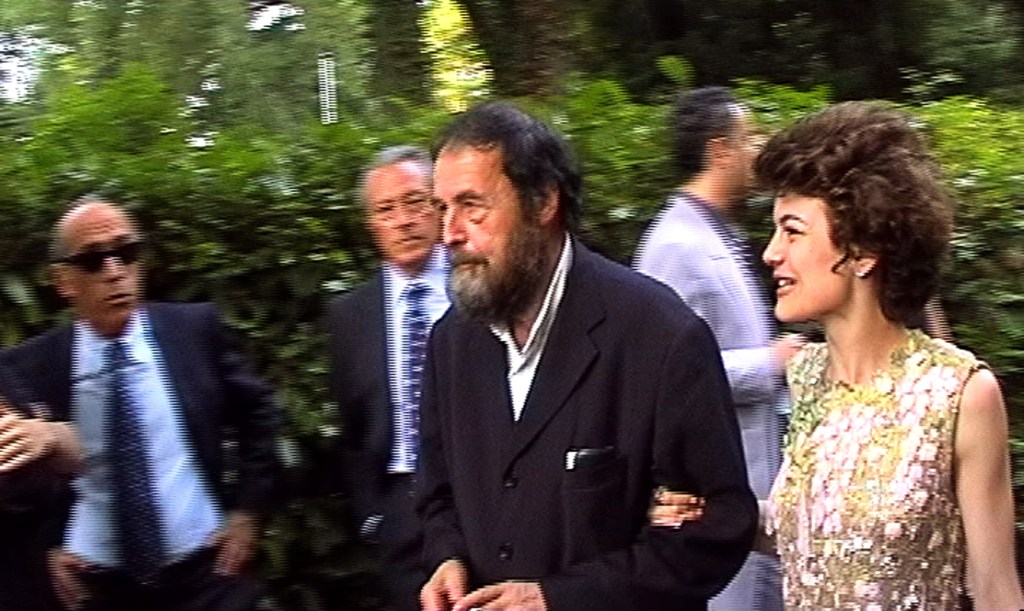
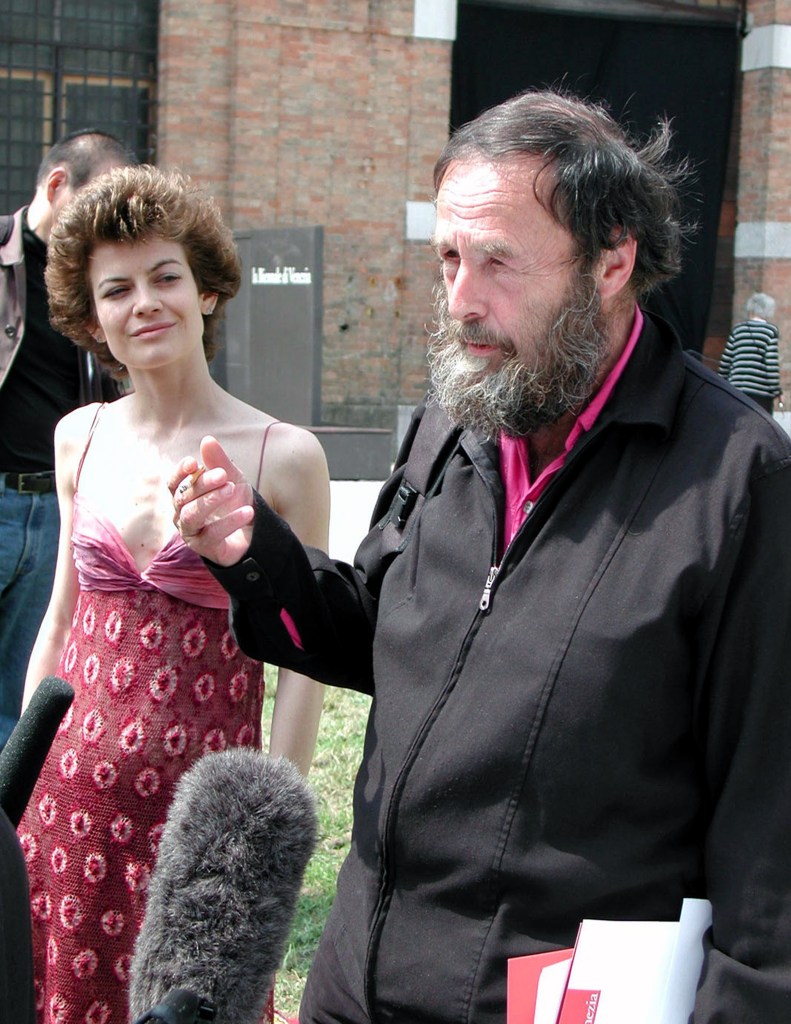
I’ll Be Your Angel was performed at the 49th Venice Biennale. The performance, which lasted four days, consisted in the young female artist appearing elegantly and expensively dressed on the side of the senior male curator of the Venice Biennale, Harald Szeemann. She appeared smiling, reticent, holding him under arm, patiently waiting for him to speak at press conferences or at dinners and brought him cups of coffee.


Tanja Ostojić: Strategies of Success, book with essays by Dr Marina Grzinič, Dr Suzana Milevska and Tanja Ostojić, La Box, Bourges and SKC, Belgrade, 2004
ISBN: 2-910164-32-2
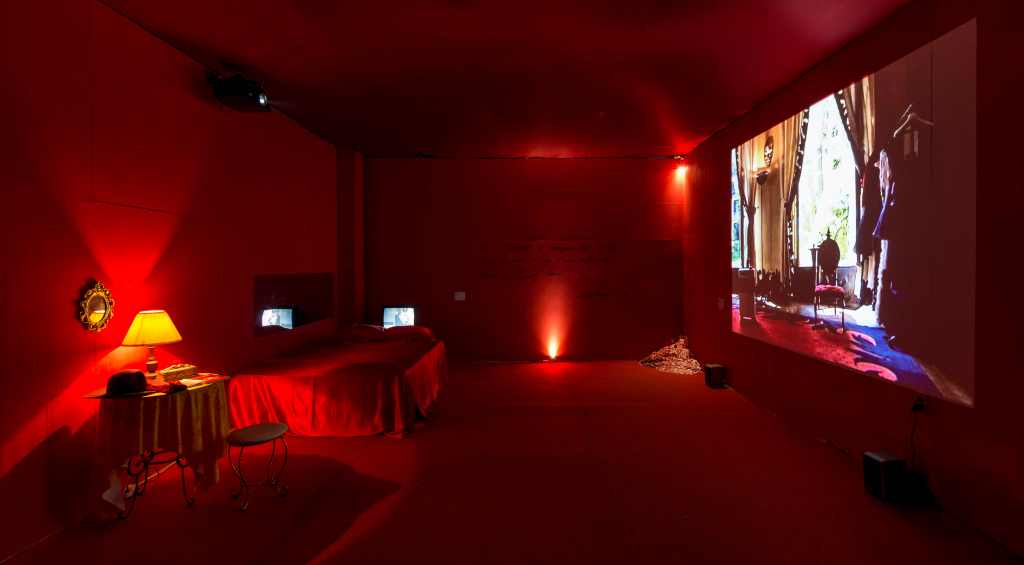
Strategies of Success/Curators Series encompasses not least than twelve works, and the titles of some are revealing: I’ll Be Your Angel (2001), Be My Guest (2001), Sofa for Curator (2002), Vacation with Curator (2003). The titles reveal an inverted relationship. Instead of the curator facilitating the artist, the artist now facilitates the curator: accommodation, hospitality and care provided by the artist to the curator are the behavioural modes that hide behind these titles. A second theme running through the series is that of referencing the histories of art, as in Black Square on White (2001) and the rather mysteriously titled Politics of Queer Curatorial Positions: After Rosa von Praunheim, Fassbinder and Bridge Markland (2003). Finally, a third theme can be established in an engagement with the confessional mode in Venice Diary (2002) and Venice Diary Reading (2002 and 2003). The list of works offered in a volume that documents the series includes mention of all principal collaborators. There are many relations between the pieces – for example, in Venice Diary Reading the artist performatively reads to the public her emotionally loaded personal record of I’ll Be Your Angel – whereas in many cases the audiovisual record of an originally live, participatory piece is classified as a separate piece of work. What however unites all the works is the reading of the artist-curator bond in terms of a gendered dynamic organised by power and disempowerment (much like Ostojić’s major biopolitical work, the orchestration of her own marriage to an EU male citizen, which she was living through at the time).
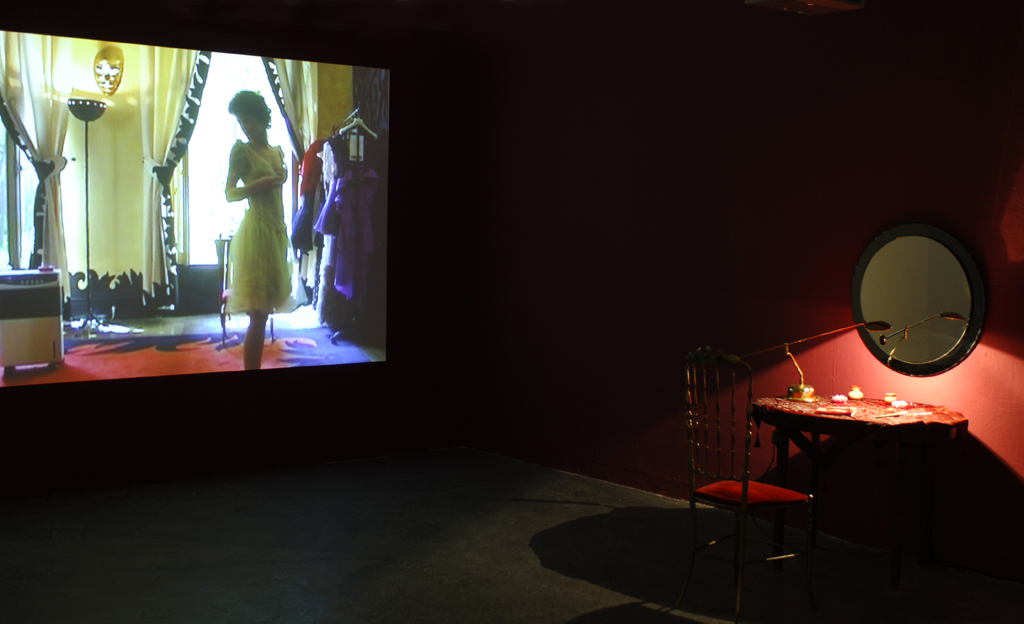
I’ll Be Your Angel was performed at the 49th Venice Biennale. The performance, which lasted four days, consisted in the young female artist appearing elegantly and expensively dressed on the side of the senior male curator of the Venice Biennale, Harald Szeemann. She appeared smiling, reticent, holding him under arm, patiently waiting for him to speak at press conferences or at dinners and brought him cups of coffee. Szeemann was hardly a random choice. Post-2000, the appraisal of his work, seen to mark a crucial shift in a global refocus of the curatorial field as one of power (over others), suggests that the forms of artistic labour witnessed in the output of Ostojić can hardly be decoupled from responses to this shift. Ostojić’s insight was to launch a critique of the latter in ways that brought to the fore the continuous purchase of a feminine/masculine polarity: the artist is coded feminine (decorative, exchangeable and submissive) whereas the curator is coded masculine (serious, individualised and leading). The tentative success of the ‘feminine’ artist in managing to do her radical work is achieved at the cost of public humiliation or, put more mildly, in accepting the terms of the game.
(Dimitrakaki, Angela: “Chapter 6, Acting on Power: Critical Collectives, Curatorial Visions and Art as Life: Telling the problem differently: From women artists to feminism, power and the art institution” in Gender, artWork and global imperative, Manchester University Press, 2013, UK. pp.15, 18, 76-81, 85-91, 94, 96, 212-219, 240, 242)
 TANJA OSTOJIĆ